Stress is unwanted but unavoidable part of modern life — but suffering from it need not have to be. Whether you’re handling work deadlines, relationship pressure, financial worries, or health concerns, effective stress management strategies can help reduce its impact on your mind and body.

Most people searching for stress management are looking for practical, immediately usable techniques — not theory.
This article covers the best science-backed approaches for managing stress, from quick-relief tools you can use in minutes to sustainable habits that build lasting resilience.
Understanding Stress: Why It Matters
Stress is your body’s natural response to perceived threats or demands. When triggered, it releases hormones like cortisol and adrenaline — useful in short bursts, but damaging when chronic. Chronic stress is often assocciated to anxiety, depression, heart disease, weight gain, and immune dysfunction.
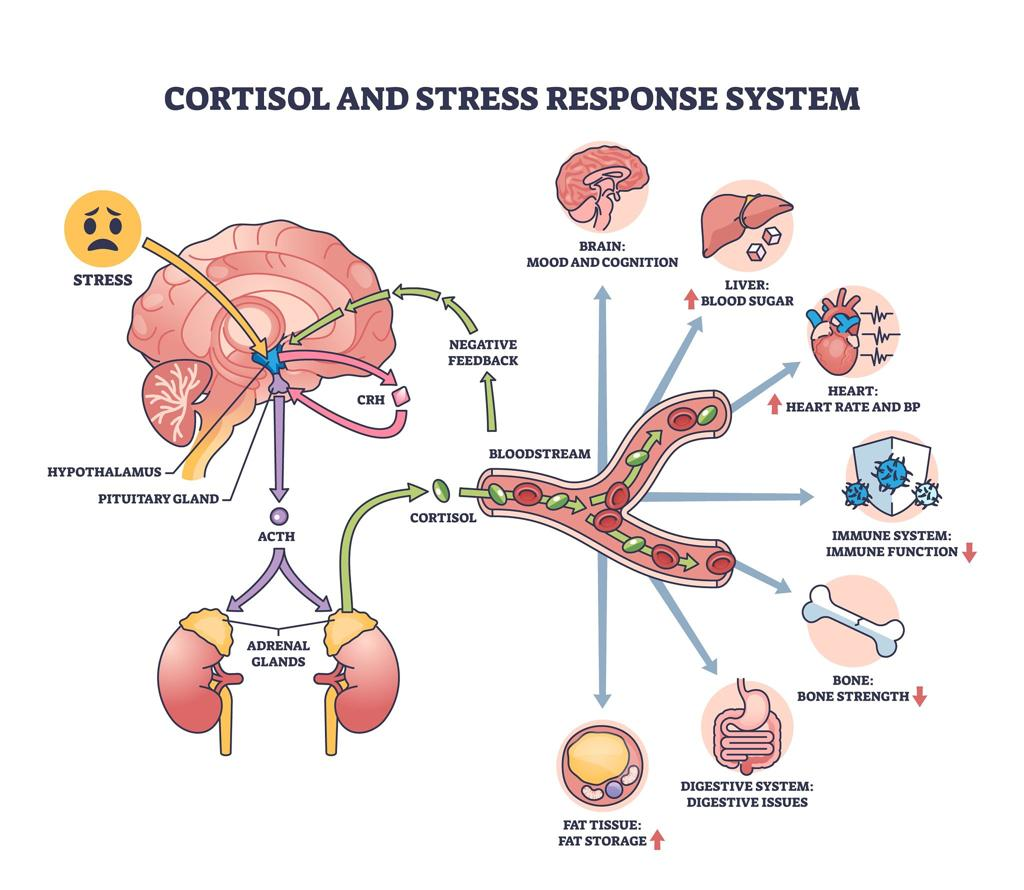
Understanding the difference between acute stress (short-term, manageable) and chronic stress (persistent, harmful) is the first step. The strategies below address both.
Immediate Stress Relief Techniques
When stress arrives, these techniques may calm your nervous system within minutes by activating the parasympathetic response — your body’s built-in “rest and digest” mode.
4-7-8 Breathing Technique
Inhale for 4 seconds, hold for 7, exhale for 8. This breathing pattern slows your heart rate and lowers cortisol almost immediately. Repeat 3–4 cycles. Backed by research from Harvard Medical School as one of the most effective immediate stress relievers.
Progressive Muscle Relaxation (PMR)
Systematically tense and release muscle groups from your feet upward. PMR reduces physical tension — a direct symptom of stress — and has been shown to lower anxiety scores by up to 30% in clinical studies.

The 5-4-3-2-1 Grounding Technique
Name 5 things you can see, 4 you can touch, 3 you can hear, 2 you can smell, 1 you can taste. This sensory grounding exercise interevenes in the stress cycle by anchoring your mind to the present moment.
Cold Water on the Face
Splashing cold water on your face triggers the “dive reflex,” which slows heart rate and induces a calm state within seconds. It’s a simple, underrated, and evidence-backed technique for acute stress management.

Long-Term Stress Management Strategies
Quick fixes definelty help in the moment, but long-term stress management needs building habits that strengthen your resilience over time.
Mindfulness Meditation
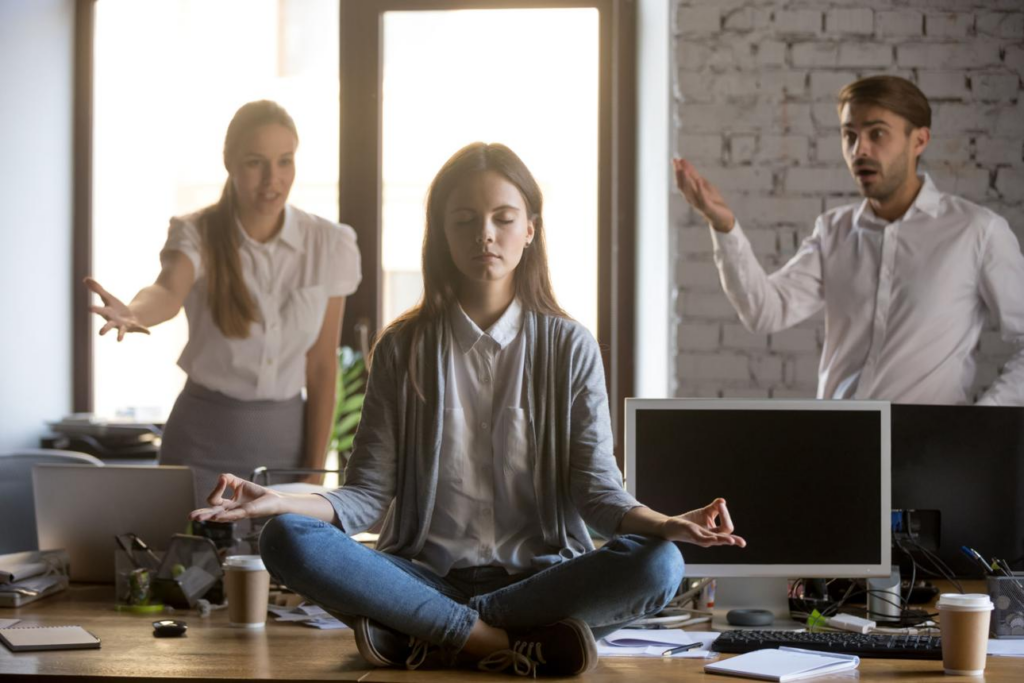
Regular mindfulness practice — a basic 10 minutes a day — reduces the density of grey matter in the amygdala (the brain’s stress center), reducing stress reactivity over time. Apps like Headspace or Calm or Raska mon make this accessible for beginners.
Regular Physical Exercise
Exercise is one of the most powerful natural stress relievers. It burns off cortisol, releases endorphins, and improves sleep quality. Aim for 150 minutes of moderate aerobic activity per week — even a daily 20-minute walk makes a significant difference.
Journaling for Stress Relief
Expressive writing helps process emotions and reduces rumination. Research from the University of Texas found that writing about stressful events for 15–20 minutes, 3–4 days in a row, leads to measurable reductions in stress and improved immune function.
Time Management & Prioritization
Much workplace stress stems from overwhelm. Learning to use frameworks like the Eisenhower Matrix (urgent vs. important) or time-blocking can reduce task anxiety by giving you clarity and control over your day.
Social Connection
Strong social ties are one of the greatest buffers against stress. Regular connection with supportive friends or family reduces cortisol and increases oxytocin. Don’t underestimate the power of a genuine conversation when you’re overwhelmed.
Lifestyle Changes That Reduce Chronic Stress
Your daily habits create the foundation on which your stress response operates. These lifestyle adjustments directly lower your baseline stress levels.
Sleep: The Non-Negotiable Foundation
Sleep deprivation elevates cortisol and makes the brain 60% more reactive to negative stimuli. Aim for 7–9 hours per night. Create a consistent sleep schedule, reduce blue light exposure an hour before bed, and keep your bedroom cool and dark.
Nutrition & Stress
A diet rich in whole foods, omega-3 fatty acids, magnesium, and B vitamins supports the nervous system and reduces stress reactivity. Redue caffeine and alcohol — both elevate cortisol and disrupt sleep. Consider foods like salmon, dark leafy greens, nuts, and fermented foods.
Digital Detox & Boundaries
Constant connectivity is a major modern stressor. Set boundaries: no phones during meals, no work email after 7pm, and a full digital detox one day per week. Research shows even a 1-week break from social media greatly reduces anxiety and FOMO-related stress.
Nature Exposure (Ecotherapy)
Spending time in natural environments — forests, parks, or near water — lowers cortisol, blood pressure, and heart rate. Even 20 minutes in a park has been shown to produce measurable stress reduction. This practice, sometimes called “forest bathing” or shinrin-yoku, is well-supported by research.
When to Seek Professional Help
Self-management strategies are powerful, but they have limits. If stress is significantly disrupting your sleep, relationships, work, or daily functioning — or if you’re experiencing symptoms of anxiety or depression — it’s important to seek professional support.
A licensed therapist or psychologist can offer evidence-based treatments like Cognitive Behavioral Therapy (CBT), which has the strongest research support for stress and anxiety management. Many providers now offer online sessions, making access easier than ever.
Frequently Asked Questions
What is the most effective stress management technique?
No single technique works for everyone, but exercise, mindfulness meditation, and deep breathing have the strongest scientific evidence behind them. Combining multiple strategies — addressing both immediate symptoms and root causes — is the most effective approach.
How quickly can stress management techniques work?
Techniques like deep breathing and cold water exposure can reduce acute stress within minutes. Long-term strategies like regular exercise and meditation typically show measurable results within 2–4 weeks of consistent practice.
Can stress be completely eliminated?
Not entirely — and that’s actually okay. Some stress is adaptive and motivating. The goal of stress management isn’t elimination but building resilience: the ability to experience stress without being overwhelmed by it.
What are the physical signs that stress is affecting my health?
Common physical signs include headaches, muscle tension, digestive issues, fatigue, frequent illness, insomnia, chest tightness, and changes in appetite. Persistent physical symptoms should always be evaluated by a healthcare provider.
Is stress management the same as anxiety treatment?
They overlap significantly but are not identical. Stress management addresses responses to external pressures, while anxiety treatment addresses persistent, often disproportionate worry. Many of the same techniques help both — but anxiety disorders typically require professional diagnosis and treatment.
Ready to Build Your Stress-Free Life?
Start with just one technique from this guide today. Pick the one that resonates most, practice it consistently for 2 weeks, and observe the difference. Your future self will thank you.