Have you ever felt so angry that you wanted to break everything that’s in front of you? We’ve all had that moment in our lives. It could be as fleeting as being annoyed by someone cutting you off in a traffic or a full-fledged anger. Anger is one of the feelings that makes us humans. However, when it goes out of our control, it can totally destroy our health and relationships.

When we get angry we try to calm down by yelling at others or let out our emotions by getting frustrated. Here’s the catch: In the sway of emotions, intelligence always takes a back seat and that means once you react out of anger, sooner or later, you will regret your choice. We cannot completely eradicate anger but we surely deal with it.
Understanding anger:
What is anger? Why do we get angry?
Anger is a natural human response generated by our body when we sense threat. It’s your brain’s way of saying, “Something’s wrong. Fix it- now.” Anger is not completely an acquired emotion. There are two other ways in which we pick up the way we express our frustration.One, it can be inherited from our parents(Genetic reason). Two, most of the time, the way our parents show anger becomes our anger recipe too.
What are the changes that happen in our body when we get angry?
Just like any other bodily response, anger also triggers some physiological changes in our body. This includes the increase in heart beat, blood pressure and the amount of fight or flight hormones like adrenaline in our blood.
In fact it is said that people who get angry often tend to age quickly. Why? Frowning all time leads to development of wrinkles and fine lines.

Things to do to calm down when you’re angry
Take a deep breath by inhaling for 4 seconds, holding for 2 seconds and exhaling for 6 seconds. Deep breaths will help you calm down. Now, think whether the same issue would stress you out next week. If what’s stressing you right now will not mean a thing to you next week then it’s notworth reacting! However, we cannot just ignore our feelings, right?
The following are 5 scientifically-backed ways to reduce your anger in just a couple of minutes!
Analyse your problem:
What made you angry? Were you tired or in a bad mood? What was the cause? This is a very important question to ask yourself because knowing what the problem is reduces 50% of the problem. It makes you aware.
If you’re getting irritated because of the exhaustion from work, then it’s highly recommended that you switch tasks. Do something different. For once, get up from your work chair and go make a coffee! It instantly changes your mood.
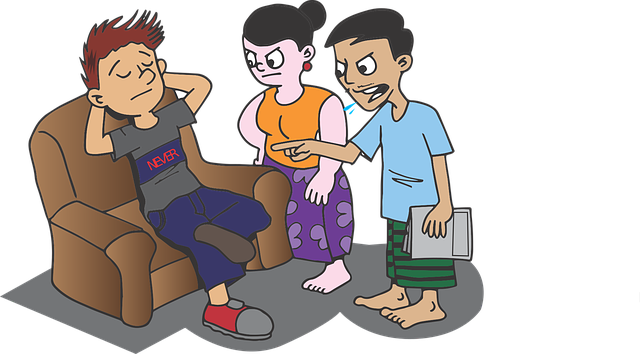
Are you tired of working all day? Take a quick break. A break from all your regular activities. This helps you relax better.
If you cannot think clearly, do a high intensity workout or go for a run. This should make you sweat because when you sweat, your emotions get regulated.
Be rational: There are some things that are out of your control and there’s absolutely no way in which you can sort that out. If seeing your toddler’s messy room irritates you, ask her to tidy up. If not, close her room door so now you don’t see the mess. Sometimes the solutions are as simple as that!
If you feel the issue has to be addressed immediately then confront the person whom you are angry with. State your thoughts clearly. Make sure you are communicating, not controlling or hurtful.
Always when you’re confronting another person, state your feelings. Not their mistake. For example, if your partner forgot to carry her wallet, don’t say ‘you always forget things’ instead say I’m upset that you didn’t buy that watch for me. This simple change makes a lot of difference to your relationship with the other person.
How to stop getting angry about everything
According to James Clear, making a habit difficult, unattractive and unsatisfying can help us break bad habits. So if getting angry every time is a habit you want to break, then we must make it difficult to do.
The following 4 ways will help you do exactly that:
Start maintaining an anger journal: Whenever you get irritated by something or someone, take out the journal and write down: Who/What made me angry? Can I solve the issue? If not, forget it. If yes, write down all the possible solutions and execute the one that is the most feasible out of this list.
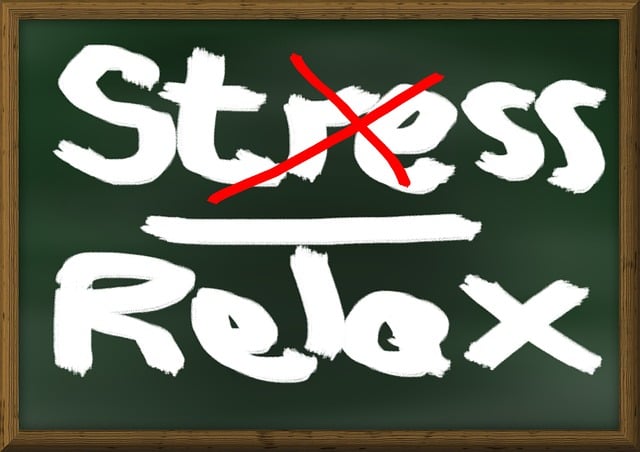
This habit has dual benefits. Firstly, it makes anger a very difficult emotion, because every time you get angry you need to repeat the whole self-inquiry process which requires a lot of conscious effort and by nature we are all beings who gravitate towards less effort requiring tasks. Secondly, it makes you more aware of what you are feeling and how you can solve it.
Do relaxation as a hobby:
Consciously allocate some time of the day to relax. Relaxation need not always take the form of meditation. It can be anything that makes you happy.
Step away:Remove yourself from people and situations that make you mad.
Find your ‘switch’ habits: Whenever you feel so angry that you want to break something to let out your feelings, consider creating a habit which you can do instead of causing destruction. For example, you can use objects like worry stones to redirect your mind.
How to deal with yourself after you’ve gotten angry
Most people feel either guilty or egoistic after they react to the situation that was triggering their anger. What they don’t realise is that this habit is detrimental to their self-growth in the long term as it shakes your confidence and makes you second guess your decisions.
What can we do instead?
Reflect on your actions. Ask Yourself: Could I have handled the situation better? Is the way I acted consistent with the person I want to become? This helps you find solutions that are feasible to you. However, you must keep in mind that you should let your body calm down completely so you can think of solutions that are under your control. This also ensures you take action instead of cribbing about your situation. Though the time taken to calm down differs from one person to another, it’s generally found that it takes around 20 to 30 minutes for your adrenaline rush to settle.
Do not replay the scene in your mind again. This will increase the time taken for you to move on. Instead forgive yourself, others or set boundaries for the future.
Do not suppress your emotions, process it. Journaling helps you recall your emotions better.
Relax your mind and body. Do some yoga or meditate for 10 minutes.
Apologise, if required.
These techniques help you let go of anger and focus on the present rather than sticking to the past.
Call to Action
Anger isn’t your weakness anymore if you learn how to handle it properly. It is an important emotion indeed as it helps you voice out injustice and enforce your boundaries.