Forced feminization is a psychological and behavioral phenomenon that has gained attention in both academic and online communities. It involves the act of imposing feminine traits, behaviors, or appearances on an individual, often within the context of power dynamics, relationships, or role-playing scenarios. This article delves into the psychology behind forced feminization, its implications, and the societal factors that contribute to its prevalence.

What is Forced Feminization?
Forced feminization is a practice where an individual (typically male) is compelled to adopt feminine characteristics, such as clothing, mannerisms, or roles. This can occur in various contexts, including consensual role-playing, BDSM relationships, or even non-consensual situations.
Key Characteristics of Forced Feminization
Gender Role Reversal: The individual is encouraged or coerced to adopt traditionally feminine roles.
Power Dynamics: Often involves dominance and submission, where one party exerts control over the other.
Psychological Impact: Can evoke feelings of vulnerability, submission, or empowerment, depending on the context.

The Psychology Behind Forced Feminization
Understanding the psychological underpinnings of forced feminization requires exploring its roots in gender identity, power dynamics, and sexual expression.
1. Gender Identity and Expression
Forced feminization often intersects with an individual’s exploration of gender identity. For some, it may serve as a way to express suppressed feminine traits or challenge traditional gender norms. According to Psychology Today, gender expression is a deeply personal experience that can be influenced by societal expectations and personal desires.
Gender Identity Exploration
Image: Gender identity exploration is a key aspect of forced feminization psychology.
2. Power and Control Dynamics
In BDSM and kink communities, forced feminization is often tied to power exchange. The dominant partner may derive satisfaction from controlling the submissive’s appearance and behavior, while the submissive may find empowerment in surrendering control. This dynamic is explored in-depth by Kinkly, a resource for understanding alternative sexual practices.
3. Sexual and Emotional Fulfillment
For some individuals, forced feminization is a source of sexual arousal or emotional fulfillment. It can provide an outlet for exploring fantasies or reconciling internal conflicts about gender and identity.
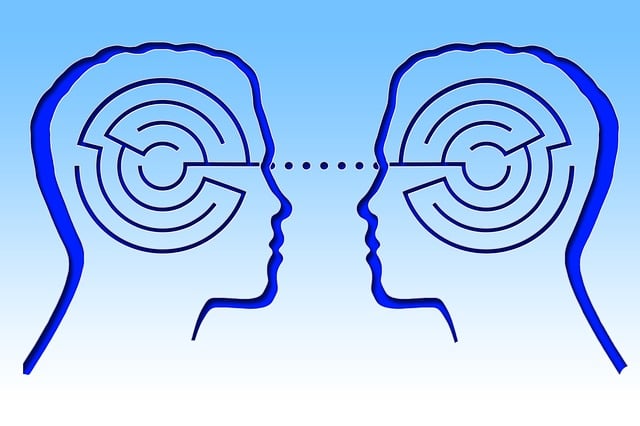
Societal Influences on Forced Feminization
Society plays a significant role in shaping the perception and practice of forced feminization.
1. Cultural Norms and Gender Stereotypes
Traditional gender roles often dictate how men and women should behave, dress, and express themselves. Forced feminization challenges these norms, allowing individuals to explore alternative identities.
2. Media Representation
Media and pop culture have increasingly depicted forced feminization in movies, TV shows, and literature. These portrayals can normalize the practice and influence public perception.
Media Influence
Image: Media plays a significant role in shaping perceptions of gender roles.
3. Online Communities and Support
The rise of online forums and social media has created spaces for individuals to share their experiences and seek support. Websites like Reddit host communities dedicated to discussing forced feminization and related topics.
Ethical Considerations and Consent
While forced feminization can be a consensual and empowering practice for some, it raises ethical questions when non-consensual or coercive.
1. The Importance of Consent
Consent is the cornerstone of any healthy relationship or practice. Forced feminization must involve clear communication and mutual agreement to avoid harm or exploitation.
2. Psychological Risks
Non-consensual forced feminization can lead to emotional distress, identity confusion, and trauma. It is crucial to approach the practice with sensitivity and awareness.
Conclusion
Forced feminization is a multifaceted phenomenon that intersects with psychology, gender identity, and societal norms. Whether explored as a form of self-expression, a power dynamic, or a sexual fantasy, it highlights the complexity of human behavior and relationships. By understanding its psychological roots and ethical implications, we can foster a more inclusive and informed perspective on this practice.